Skip to content
🔧 TOW TRUCK TYPES & METHODS

Flatbed vs Wheel-Lift Towing: When to Pay More

Published · Updated · 12 min read
MarkUpdated Mar 2, 2026AAA Roadside Assistance
Key Takeaways
  • Flatbed towing costs 20–50% more than wheel-lift, but drivetrain damage on an AWD vehicle can run $2,000–$3,500 — far exceeding the price gap.
  • Wheel-lift towing is safe and cost-effective for standard FWD sedans when the operator lifts from the correct axle.
  • Always request a flatbed for AWD/4WD vehicles, electric vehicles, lowered cars, motorcycles, and any vehicle with collision damage.
  • Dolly towing and wheel-lift towing both lift one axle, but a dolly is DIY consumer equipment while a wheel-lift is a hydraulic commercial system.
  • Regional pricing, vehicle weight, and after-hours surcharges can push flatbed rates to $7/mile in some markets.

💰
TOW TRUCK TYPES & METHODS

What Is the Difference Between Flatbed and Wheel-Lift Towing?

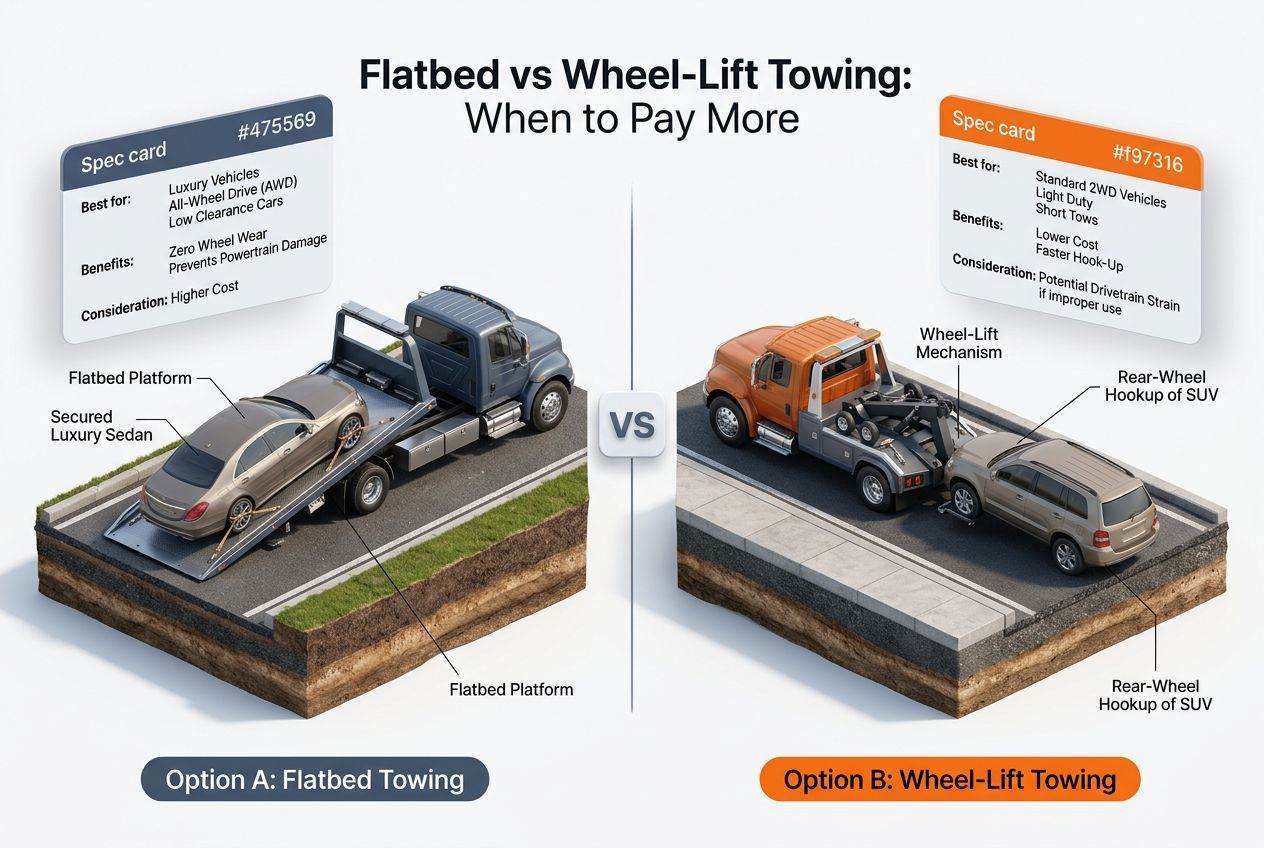
The primary distinction between flatbed and wheel-lift towing is road contact during transport. Flatbed towing completely eliminates it, while wheel-lift towing allows two wheels to remain on the road.

  • Flatbed Towing: The entire vehicle is loaded onto a hydraulic tilting platform, keeping all four wheels off the ground.
  • Wheel-Lift Towing: This method uses a metal yoke that cradles either the drive or non-drive axle, lifting two wheels while the other pair rolls on the road.

💡 Key Takeaway: Flatbed is also known as a rollback or tilt-deck. It uses a hydraulic ram to angle its entire deck to ground level. Your car is then driven, rolled, or winched up, and the deck tilts back level. The vehicle is secured by four-point chains at the frame or tie-down loops, ensuring nothing moves during transit.

Wheel-lift operations are designed for speed. A hydraulic boom extends from the rear of the tow truck, a metal J-hook yoke slides under the front or rear tires, and the operator raises that axle off the pavement. The other two wheels stay on the road, rolling freely as the truck drives. This method is typically faster to hook up—often taking three to five minutes versus eight to twelve for a flatbed—making it a preferred choice for roadside assistance fleets handling high-volume urban calls.

For a broader look at how all these systems work mechanically, see our how tow trucks work guide. And if you're deciding between towing methods before you call anyone, our choosing the right tow method guide covers the full decision tree.

3D side-by-side comparison visualization for flatbed vs wheel-lift towing: when to pay more
📊
TOW TRUCK TYPES & METHODS

Is Flatbed Towing Worth the Extra Cost?

Flatbed towing is often worth the premium when road contact during transport poses a realistic risk of damage. This includes potential drivetrain, suspension, or body damage. Vehicles that fall into this category include AWD/4WD vehicles, lowered cars, accident-damaged vehicles, exotics, and electric vehicles. For a standard FWD commuter car needing a short, five-mile tow to the nearest shop, the extra cost may not provide significant additional protection.

💡 Key Takeaway: The cost difference between flatbed and wheel-lift towing is usually minimal compared to potential repair costs for improper towing. Always prioritize the correct method for your vehicle type.

Consider a real-world scenario. Imagine you're driving a 2023 Honda CR-V AWD and get a flat tire on the highway. A wheel-lift tow might cost $95 for five miles to a nearby tire shop, while a flatbed costs $140 for the same distance—a $45 difference. However, if the wheel-lift operator lifts from the rear axle, your front-wheel-connected transfer case could spin unloaded for five miles, potentially leading to a $2,200 transfer case repair. In this case, the flatbed is clearly the more cost-effective choice.

✅ Pro Tip: Know your vehicle's drivetrain type (FWD, RWD, AWD, 4WD) before calling a tow service. This information is critical for selecting the correct and safest towing method.

Not all situations require a flatbed. Contrast the AWD scenario with a 2022 Toyota Camry FWD that has a dead battery. A wheel-lift from the front axle for five miles costs $95. Here, there's no drivetrain risk and no clearance issue. The flatbed premium would not offer any additional mechanical protection.

⚠️ Warning: While a flatbed offers superior protection for many vehicles, it's not a universal upgrade. For short urban tows with standard FWD vehicles, you might be paying for peace of mind rather than essential mechanical protection.


🔧
TOW TRUCK TYPES & METHODS

When Should You Always Request a Flatbed Tow?

Certain vehicle types and conditions always necessitate flatbed towing. This is crucial for preventing severe damage and ensuring safe transport. You should always request a flatbed for:

  • AWD and 4WD vehicles: Any vehicle where all four wheels are mechanically connected to the drivetrain.
  • Electric vehicles (EVs): Due to their regenerative braking systems and motor controllers.
  • Lowered or modified cars: Especially those with less than four inches of ground clearance.
  • Motorcycles: There is no safe wheel-lift configuration for two-wheeled vehicles.
  • Collision-damaged vehicles: If the steering, wheels, or subframe are compromised.
  • Vehicles with locked transmissions or non-rotating wheels: When mechanical issues prevent free wheel rotation.
  • When insurance policy requires it: To preserve a damage claim with zero-contact transport.

Specific Scenarios for Flatbed Towing

AWD and 4WD vehicles: Any drivetrain where all four wheels connect mechanically is at risk. Rolling two wheels on the pavement can spin components that require engine oil pressure and RPM to function safely. Manufacturer owner's manuals from brands like Ford, Toyota, and GM explicitly prohibit wheel-lift towing on these systems.

⚠️ Warning: Never allow wheel-lift towing for AWD or 4WD vehicles. This can cause catastrophic and expensive drivetrain damage, including transfer case failure.

Electric vehicles: EV manufacturers like Tesla and Rivian clearly state that their vehicles require flatbed transport. Regenerative braking systems can activate when wheels spin without the vehicle being powered, potentially damaging motor controllers. Tesla's roadside assistance documentation, for example, specifies flatbed-only transport for all Model S, 3, X, and Y vehicles.

📊 Quick Fact: Most EV manufacturers mandate flatbed towing to prevent damage to sensitive electrical and drivetrain components, emphasizing the "all wheels off the ground" rule.

Lowered vehicles under four inches of ground clearance: The wheel-lift yoke requires sufficient clearance to slide under the axle without contacting sensitive body parts like rocker panels or splitters. Vehicles slammed below four inches of clearance risk contact damage during the hookup process.

Motorcycles: A flatbed with proper tie-down straps at the frame is the only safe and recommended method for transporting a motorcycle. There is no secure or safe wheel-lift configuration for a two-wheeled vehicle.

Collision-damaged vehicles: If components like the steering rack are bent, a wheel is folded under, or the subframe is compromised, rolling two wheels on the road creates unpredictable and potentially damaging forces on already-weakened structures. This can exacerbate existing damage or create new problems.

Our flatbed tow truck guide walks through the equipment specs and hookup process in more detail if you want to know exactly what to expect when the truck arrives.
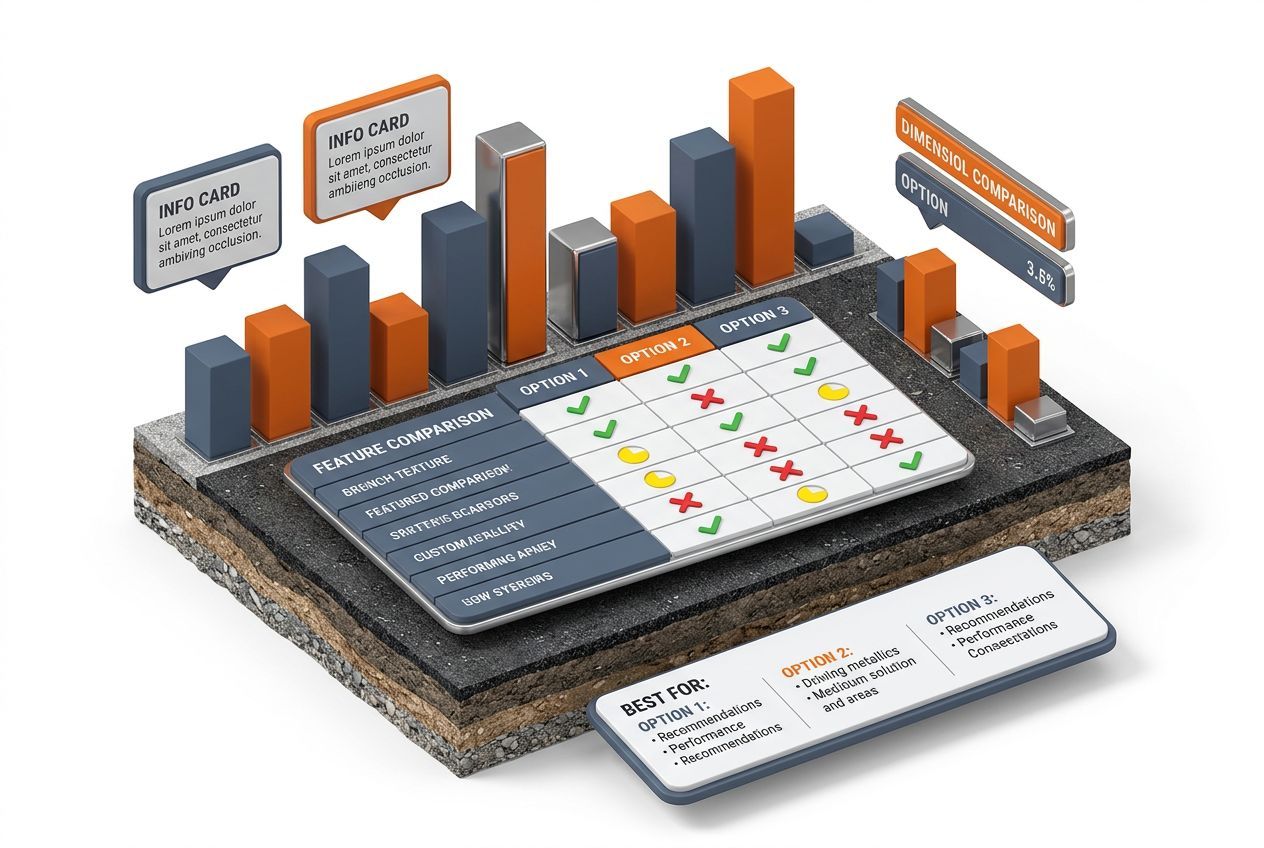
3D feature comparison matrix for flatbed vs wheel-lift towing: when to pay more
🛡️
TOW TRUCK TYPES & METHODS

Can Wheel-Lift Towing Damage Your Car?

Wheel-lift towing can indeed cause serious mechanical damage, especially when used on the wrong vehicle. AWD and 4WD drivetrains are particularly vulnerable. When the non-lifted axle rolls on the road, it spins the driveshaft, transfer case, and differentials without the critical lubrication flow those components need at operating temperature. This creates metal-on-metal wear that can lead to catastrophic failure.

⚠️ Warning: Improper wheel-lift towing on an AWD/4WD vehicle can lead to transfer case replacement costs of $2,000–$3,500, according to RepairPal data.

Used correctly, modern wheel-lift systems are generally safe. For a front-wheel-drive vehicle lifted from the front axle, the rear wheels rotate freely without any drivetrain connection. There is no transmission input and no differential engagement, making the risk profile low.

Operator skill is a crucial factor. An experienced operator will meticulously check the drivetrain type, verify the correct lift point, and confirm adequate clearance before hooking up. A rushed operator, especially during a high-volume night shift, might bypass these critical steps.

Even with a flatbed, some risks remain. While flatbeds eliminate road-contact risk, other damage can still occur. Examples include improper chain placement on a carbon fiber diffuser or a winch pulling at a bad angle on a damaged frame rail.

✅ Pro Tip: Supervise the hookup process if possible. At a minimum, photograph your vehicle from multiple angles before the operator begins the towing procedure to document its condition.


📋
TOW TRUCK TYPES & METHODS

How Much More Does Flatbed Towing Cost Than Wheel-Lift?

Flatbed towing typically costs 20–50% more than wheel-lift towing for the same distance. A standard local wheel-lift tow (5–10 miles) averages $75–$125, while a flatbed for the same run generally costs $95–$200.

📊 Quick Fact: Per-mile rates show a similar divergence: wheel-lift services run $2–$4/mile nationally, whereas flatbed services range from $3–$7/mile. Urban and after-hours pricing can push these rates toward the higher end.

How Much More Does Flatbed Towing Cost Than Wheel-Lift? — data table
Tow Type Base/Hookup Fee Per-Mile Rate Typical 10-Mile Total After-Hours Surcharge
Wheel-lift $35–$75 $2–$4/mile $75–$125 $50–$150 added
Flatbed (rollback) $50–$100 $3–$7/mile $95–$200 $50–$150 added
Tow dolly (DIY rental) $50–$90/day rental N/A Varies by distance N/A
Flatbed (luxury/exotic) $100–$200 $5–$10/mile $150–$300+ $75–$200 added

Sources: TowingServiceHub editorial estimates; RepairPal cost data.

Regional variation in pricing is significant. In dense urban markets like Los Angeles and New York, wheel-lift operators often compete on price, offering $65–$85 flat rates for short tows. Conversely, in rural areas like Montana or Wyoming, where trucks travel 30+ miles to reach you, flatbed rates can soar to $400 for a single call.

💡 Key Takeaway: Always get an estimate specific to your location. Use our towing cost calculator or the towing costs by state tool to get a realistic estimate before contacting a service provider.

For a full cost breakdown across all tow types, our how much does towing cost guide covers base fees, mileage rates, and factors that drive the price up.


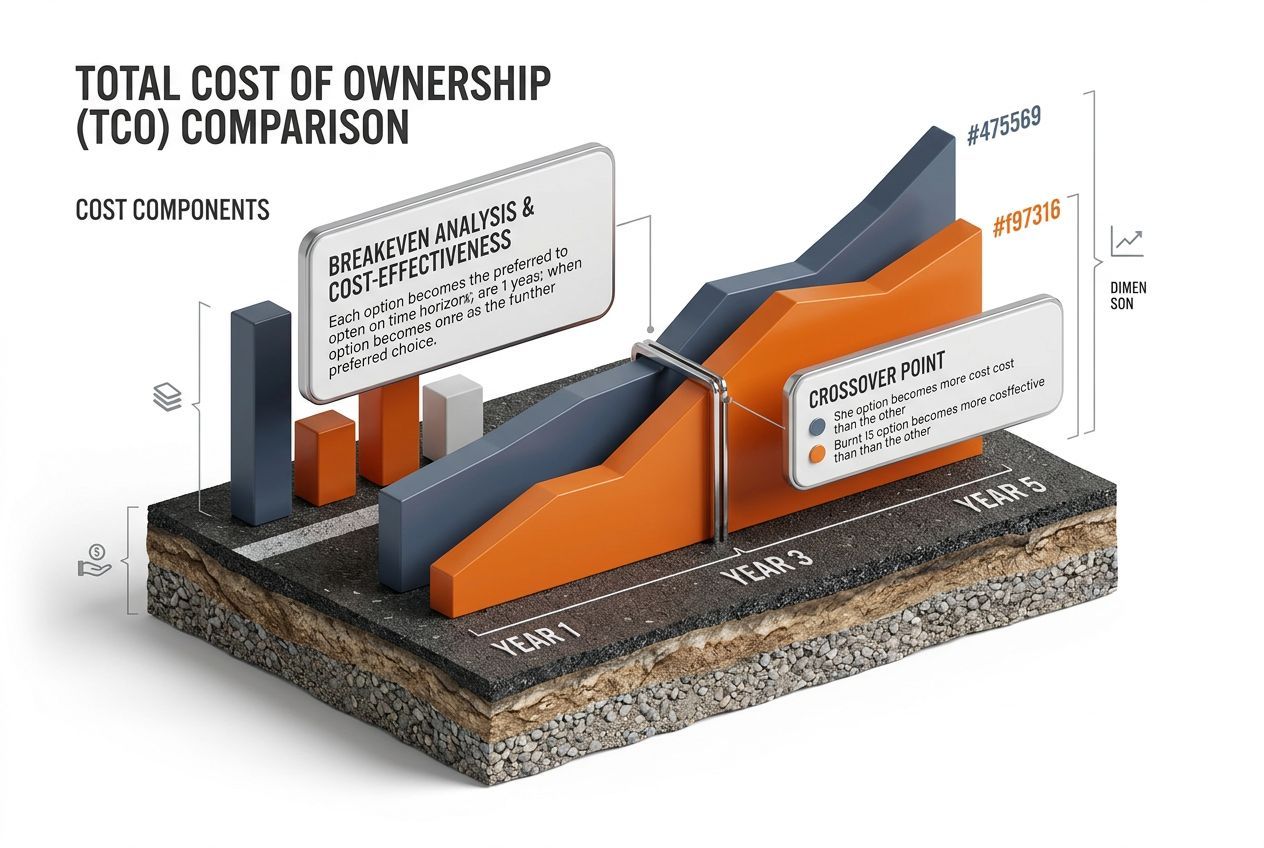
3D cost comparison over time for flatbed vs wheel-lift towing: when to pay more
⚙️
TOW TRUCK TYPES & METHODS

When Should You Choose Flatbed Over Wheel-Lift?

The decision to choose a flatbed over a wheel-lift ultimately hinges on three critical factors: drivetrain type, vehicle condition, and ground clearance. If any one of these elements indicates a risk, opting for a flatbed is almost always the safer and more economical choice in the long run. The initial cost difference rarely justifies the potential repair costs of an incorrect tow.

💡 Key Takeaway: Drivetrain type, vehicle condition, and ground clearance are the three non-negotiable factors determining if you need a flatbed tow.

Use our tow vehicle matchmaker to find the right tow method for your specific vehicle before you call a service provider.

Try Our Free Tow Vehicle Matchmaker

Winter conditions add another layer of complexity and risk. Demand for towing services typically rises in snow-belt states during winter months. Ice and packed snow on roads create additional risk with wheel-lift towing because the two rolling wheels can skid or drag unpredictably on slick surfaces, leading to potential loss of control or further damage. Flatbeds eliminate that variable entirely.

If you're being towed off an icy mountain road in Colorado, for instance, the right answer is almost always a flatbed. The flatbed vs wheel-lift comparison guide goes deeper on the operational scenarios for each method.


🚛
TOW TRUCK TYPES & METHODS

What Type of Tow Truck Is Best for AWD and 4WD Vehicles?

A flatbed is the only recommended tow method for AWD and 4WD vehicles—without exception. This is because all four wheels connect mechanically to the drivetrain. Any rolling contact with the road during transport can cause the transfer case, center differential, or prop shaft to spin without adequate lubrication. This creates destructive metal-on-metal wear that can quickly destroy these critical components.

⚠️ Warning: According to NHTSA vehicle safety guidance and most manufacturer towing supplements, AWD vehicles must be transported with all four wheels completely off the ground. Failure to do so risks severe drivetrain damage.

Many drivers are unaware of this crucial requirement. Edmunds reports that roughly 55% of new vehicles sold in the U.S. carry AWD or 4WD drivetrains as of 2024 (edmunds.com). This means that over half the vehicles on the road today technically require flatbed towing, yet many drivers and even some tow operators don't realize this.

📊 Quick Fact: Over 55% of new vehicles sold in the U.S. in 2024 are AWD or 4WD, making proper towing method selection more critical than ever for the majority of the modern vehicle fleet.

Know what to say if a wheel-lift operator arrives. If you drive an AWD vehicle and a wheel-lift operator shows up, explicitly state: "This is an all-wheel-drive vehicle. I need a flatbed." If they push back or insist on a wheel-lift, call a different company. The repair bill you're avoiding is a very real and significant one.

✅ Pro Tip: Be firm and clear with tow operators about your vehicle's drivetrain. Your assertiveness can save you thousands in potential damage.


3D decision flowchart for choosing between options in flatbed vs wheel-lift towing: when to pay more
📝
TOW TRUCK TYPES & METHODS

Is Dolly Towing the Same as Wheel-Lift Towing?

While both dolly towing and wheel-lift towing lift one axle, they are mechanically distinct systems designed for different use cases. Understanding the differences is critical.

Is Dolly Towing the Same as Wheel-Lift Towing? — data table
Feature Tow Dolly Wheel-Lift Towing
Type Small, two-wheel consumer trailer Hydraulic boom integrated into a professional tow truck
Operator DIY (rented from U-Haul/PODS) Licensed, professional tow truck driver
Hookup Cradles front tires (typically) J-hook yoke cradles the drive or non-drive axle
Primary Use Personal long-distance moves behind RVs/moving trucks Commercial roadside assistance, short/medium distance

The practical differences are significant. A tow dolly requires a receiver hitch and a tow vehicle rated for the combined weight of both vehicles. The vehicle being towed must typically be front-wheel-drive only. If a rear-wheel-drive car is on a dolly, its rear wheels will roll on the pavement, creating the same drivetrain risk as an improper wheel-lift tow. AWD vehicles are completely incompatible with dolly towing for the same reasons they are incompatible with wheel-lift towing.

⚠️ Warning: Never use a tow dolly for AWD or 4WD vehicles. Ensure your towed vehicle is FWD if using a dolly to prevent drivetrain damage.

Dolly towing also has specific speed and distance limitations. Many people underestimate these. Keeping the towed vehicle under 55 mph is standard practice, and the California Vehicle Code (§22406) mandates that vehicles towing trailers stay at or below 55 mph regardless of posted freeway speed limits.

📊 Quick Fact: The California Vehicle Code (§22406) legally restricts vehicles towing trailers (including dollies) to a maximum speed of 55 mph, regardless of higher posted freeway limits.

For a full walkthrough of dolly equipment, hookup steps, and compatible vehicles, see our dolly towing guide. If you're curious how dollies compare to full flatbed trailers for long-distance personal transport, that guide covers the tradeoffs in detail.

You can also cross-reference the flat towing guide if your scenario involves towing a vehicle behind an RV with all four wheels down—a completely different method with its own set of vehicle compatibility rules.

If you want a side-by-side breakdown of all tow truck types—integrated, rotator, wrecker, flatbed, and wheel-lift—the types of tow trucks pillar guide is the place to start. The wrecker vs tow truck comparison is worth reading if you're confused by terminology your insurance company or roadside assistance provider uses.

For heavy recovery scenarios—overturned trucks, vehicles off embankments—neither a standard flatbed nor a wheel-lift is sufficient. Those calls require a rotator tow truck or an integrated tow truck rated for the weight and recovery angle.

Sources & Methodology

  1. 1.
    AAA Roadside Assistance (aaa.com) — Roadside assistance coverage and AWD transport recommendations.
  2. 2.
    NHTSA (nhtsa.gov) — Vehicle safety guidelines, manufacturer towing supplement references for AWD/4WD transport requirements.
  3. 3.
    Edmunds (edmunds.com) — AWD/4WD market penetration data, 2024 new vehicle sales drivetrain mix.
  4. 4.
    California Vehicle Code §22406 — Speed restriction for vehicles towing trailers on California freeways, used as a regulatory benchmark for dolly towing speed guidance.

Rate ranges reflect aggregated pricing data from

TowingServiceHub is reader-supported: we may earn money from ads and from some links on this page. See our editorial policy.

Mark — Founder & Editor

Mark

Founder & Editor

Mark is the founder and editor of TowingServiceHub, which he launched in 2026 after struggling to find clearly sourced towing costs and truck specs. He works in enterprise technology and tows his own boats, trailers, and equipment, so he knows the questions drivers actually ask.

Read full bio →

Need a tow truck right now?

Browse vetted local providers in your area. Real Google ratings, verified business info, free to use.

Or browse all 50 states from our directory

Frequently Asked Questions

Choose flatbed for AWD, 4WD, and electric vehicles — they require all four wheels off the ground. Flatbed is also safer for lowered cars, luxury vehicles, and damaged cars with suspension issues.

Yes. Flatbed towing typically costs $25–$100 more than wheel-lift for the same distance. The equipment is more expensive and the loading time is longer — but damage risk is zero.

Yes. Wheel-lift is fine for FWD sedans and RWD trucks with the driven wheels lifted. The non-driven wheels roll safely on the pavement. Never wheel-lift an AWD/4WD vehicle.

AWD cars, 4WD SUVs and trucks, electric vehicles, and vehicles with damaged transmissions or driveshafts. Towing these with wheel-lift can cause $2,000–$8,000 in drivetrain damage in just a few miles.

Flatbeds cost the operator more to buy ($80k+ vs $45k for wheel-lift), require more fuel, take longer to load, and handle higher-value vehicles. That cost structure passes to the customer.

Related Articles

Explore More Towing Guides

Browse all 157 expert guides and 10 free tools.