⚠️ Warning: Every day you wait adds $20–$80 in storage charges. Act quickly to minimize costs.
- Call the non-emergency police line or check your city's online impound lookup tool to find your car within the first 24 hours — storage fees start immediately.
- You'll need a photo ID, title or registration, and proof of insurance at minimum; some lots require a police-issued vehicle release form before they'll hand over your keys.
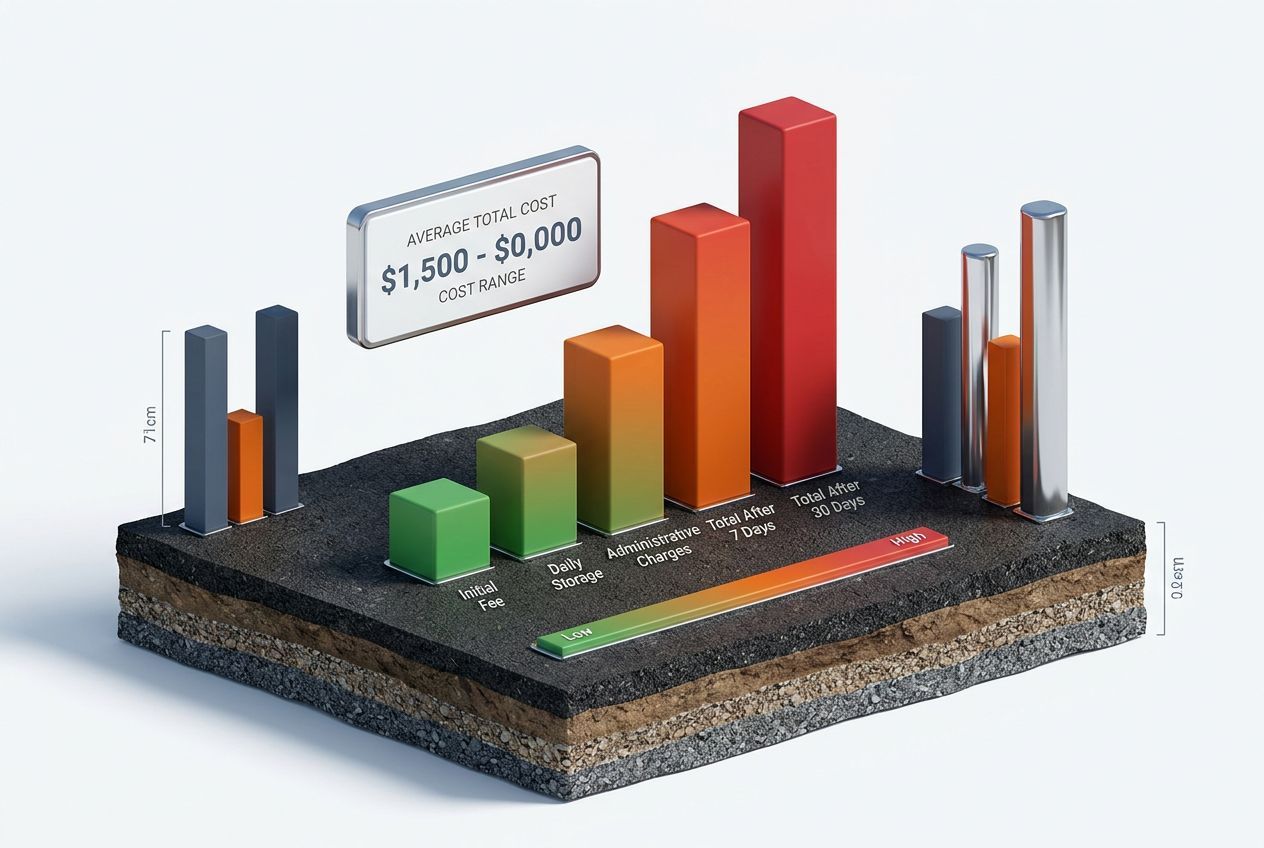
- Impound fees run $100–$500 for the tow plus $20–$80 per day in storage — acting fast is the single most effective way to keep costs down.
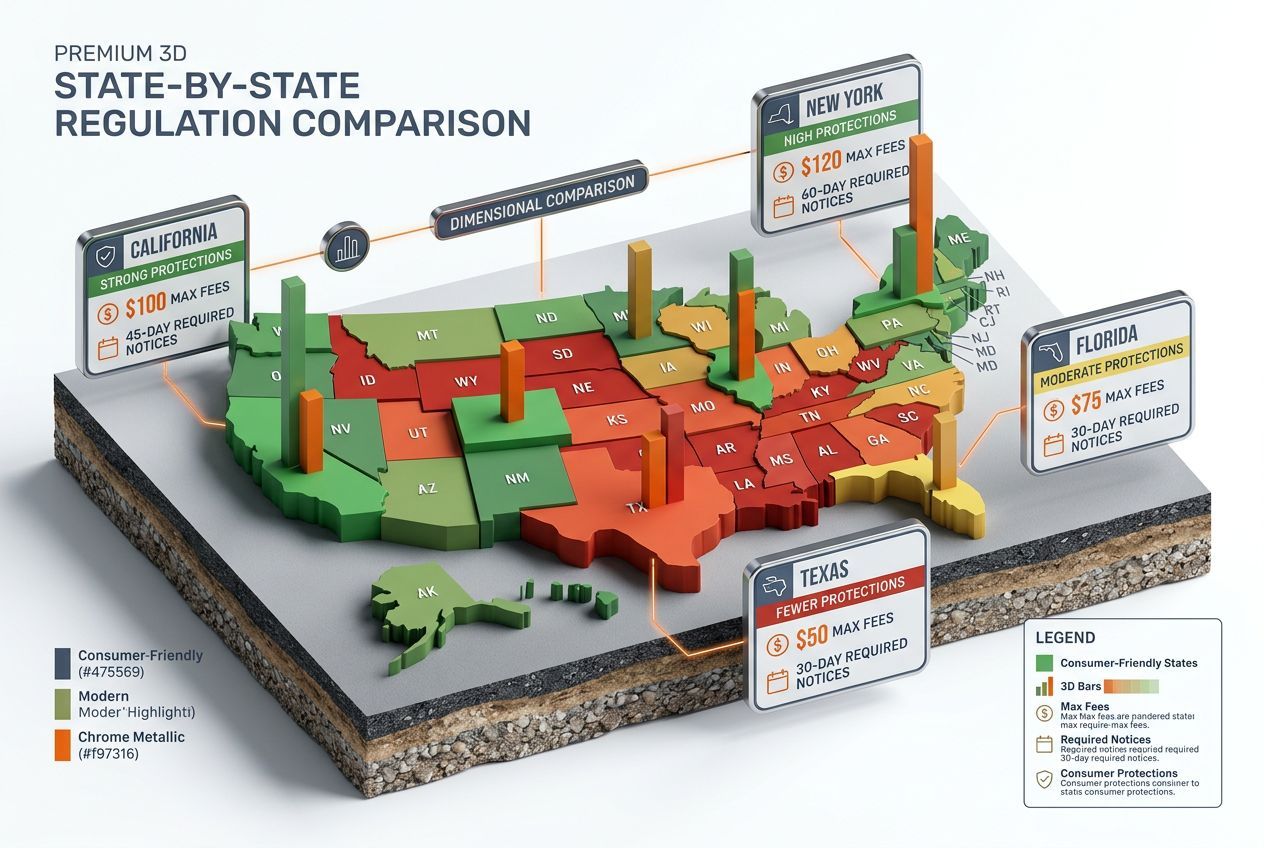
- Most states require the lot to hold your car 30–120 days before a lien sale, but don't count on that buffer — vehicles sell faster than owners expect.
- You can dispute a wrongful impound by requesting a post-storage hearing, often within 48 hours, and potentially get all fees waived.
How Do I Find Out Where My Car Was Impounded?
Locating your impounded vehicle quickly is crucial to minimize mounting storage fees. The first step is to contact the appropriate authority based on where your car was last parked.
Contacting Law Enforcement
Call the non-emergency line for the police department in the jurisdiction where your car was last parked. Provide them with your license plate number or VIN, and they will tell you which impound facility has your vehicle. Most major cities — such as Los Angeles, Chicago, and New York — also offer online impound lookup portals through their police or parking authority websites.
📊 Quick Fact: Storage fees accrue every calendar day, not every 24-hour period. A car impounded at 11 p.m. may incur a second day's charge by midnight. Do this within the first 24 hours.
Private Property Tows
If your car was parked on private property — like a shopping center, apartment complex, or gas station lot — the tow was likely ordered by the property owner, not the police. This is known as a private tow. In most states, the towing company is required to report the vehicle's location to local law enforcement within 30 minutes of towing. The non-emergency police line will still have this record.
For a clear breakdown of what to do in the hours right after a tow, see our guide on what to do when your car gets towed. And if you suspect the tow was shady or unauthorized, read up on tow truck scams before handing over any money.

What Documents Do You Need to Get Your Car Out of Impound?
To secure an impound lot release, you need several key items. Missing any one of these will likely require a second trip, delaying your car's release and increasing costs. Be sure to gather all necessary documentation before you head to the impound lot.
Here's exactly what to gather before you leave the house:
- Photo ID: A valid government-issued photo ID, such as a driver's license, state ID, or passport. This must match the name on the vehicle's registration.
- Vehicle title or registration: Your current registration is usually the fastest option. The title serves as a backup if your registration is expired or lost.
- Proof of insurance: A digital insurance card on your phone is accepted at most lots. Ensure the policy is active and covers the vehicle being retrieved.
- Police release form: This form is required for vehicles impounded due to a moving violation, DUI, or suspended registration. You obtain this from the police station that issued the tow, not the impound lot itself. Some departments provide it digitally, while others require an in-person visit.
- Payment: Be prepared with cash, debit, or credit card. It's important to note that some city-run lots only accept certified checks or money orders, so always call ahead to confirm accepted payment methods.
✅ Pro Tip: If your car was towed by police order, obtaining the police release form the same morning can save you $70+ in avoidable storage fees. Expediting this step is critical.
One worked example: Say your car was towed after a DUI stop in Illinois. Before you can get the vehicle from the Chicago impound lot, you'll need to go to the arresting district police station to obtain a release form. Then head to the lot — which in Chicago charges a flat $250 tow fee plus $35/day storage. If you wait three days, that's $355 minimum, not counting any admin fees. Getting the police release form the same morning can save you $70+ in avoidable storage.