Skip to content
⚙️ TRAILER & PAYLOAD

How Much Does a Trailer Weigh? (By Type & Size)

Published · Updated · 11 min read
MarkUpdated Mar 2, 2026NHTSA — National Highway Traffic Safety Administration
Key Takeaways
  • Trailer weight varies from ~300 lbs (small utility) to 8,500+ lbs (large travel trailer) — dry weight only
  • GVWR is the number that actually controls your tow vehicle's legal and mechanical limits, not the empty weight
  • Tongue weight must equal 10–15% of total loaded trailer weight for conventional hitches — too little is just as dangerous as too much
  • Aluminum trailers of the same dimensions typically weigh 20–30% less than steel equivalents
  • Always read the VIN plate, not the manufacturer's brochure — options like ramp doors, generator prep, and extra axles add real pounds

💰
TRAILER & PAYLOAD

Trailer Weight Chart — Quick Reference by Type

Quick Comparison: Before getting into the detail on each trailer type, here's a quick-reference trailer weight chart so you can compare at a glance. Weights listed are typical empty (dry) ranges for consumer-grade trailers. GVWR values represent the upper limit of what each trailer is rated to carry fully loaded. Source data is drawn from manufacturer specification sheets at Ford, Chevrolet, and trailer manufacturer specs cross-referenced against NHTSA vehicle registration data.

Trailer Weight Chart — Quick Reference by Type — data table
Trailer Type Typical Empty Weight Typical GVWR Common Axle Config
Open utility (4×6 to 6×12) 300–2,500 lbs 1,500–7,000 lbs Single or tandem
Enclosed cargo (5×8 to 7×16) 1,500–3,500 lbs 3,500–9,990 lbs Single or tandem
Flatbed (6×10 to 8×20) 1,000–5,500 lbs 5,000–14,000 lbs Single, tandem, or triple
Travel trailer (16–35 ft) 2,500–8,500 lbs 4,500–12,500 lbs Single or tandem
Open car hauler (7×18) 2,800–3,200 lbs 7,000–9,990 lbs Tandem
Enclosed car hauler (8.5×20) 4,500–5,500 lbs 9,990–14,000 lbs Tandem
Boat trailer 200–2,000 lbs 1,500–10,000 lbs Single or tandem
Dump trailer (6×10 to 7×14) 2,500–6,500 lbs 7,000–14,000 lbs Tandem

Ranges reflect consumer-market trailers. Commercial semi-flatbeds (8,000–12,000 lbs empty) are excluded.

If you want to check whether your truck or SUV can pull a specific trailer on this list, use the towing capacity lookup tool — just enter your year, make, and model.
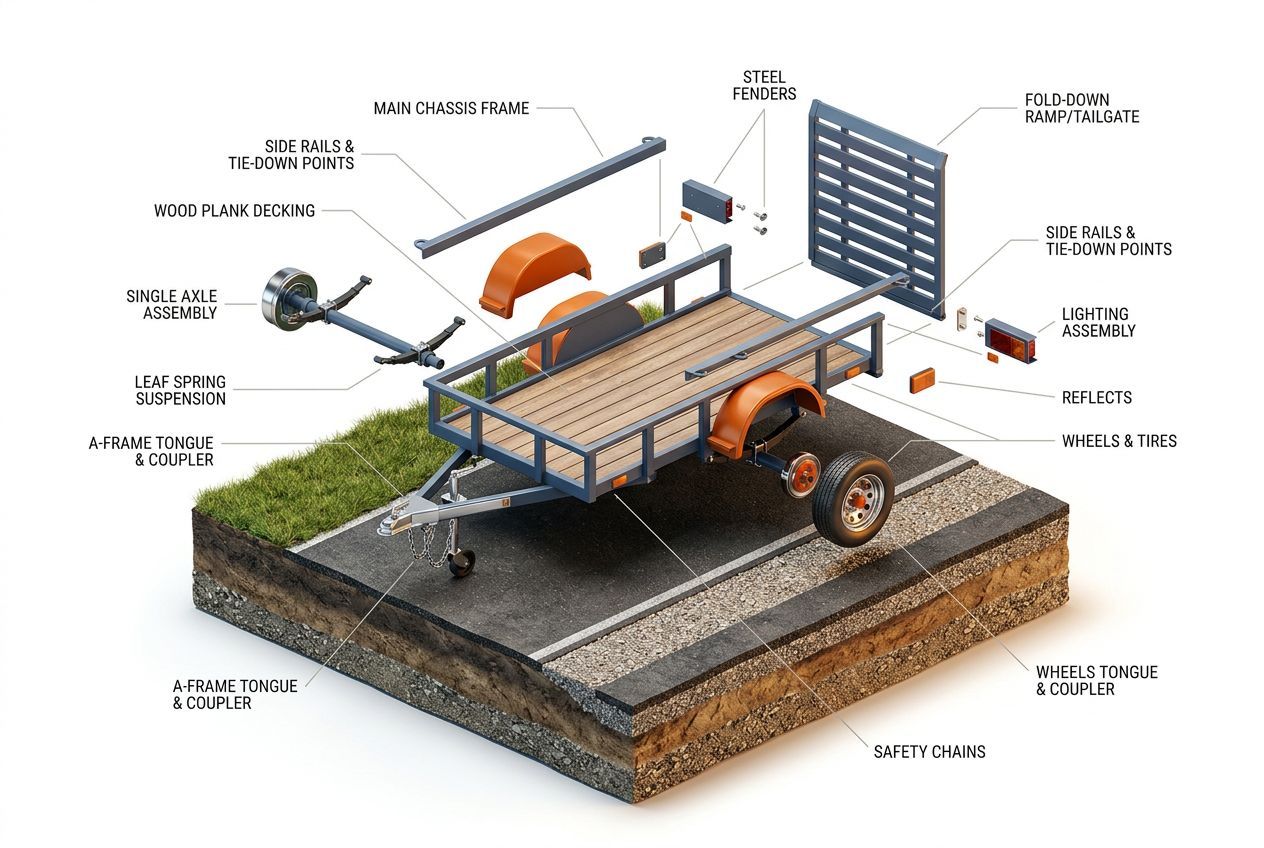

Exploded diagram of trailer weight components by trailer type and size
📊
TRAILER & PAYLOAD

How Much Does a Utility Trailer Weigh?

Empty Weight Range: A utility trailer weighs between 300 and 2,500 lbs empty, depending on its size and whether it's built from steel or aluminum.

  • A 4×6 single-axle model starts around 300–500 lbs.
  • A heavy-duty 6×12 tandem-axle steel utility trailer climbs to 1,800–2,500 lbs.

📊 Quick Fact: Aluminum versions of the same dimensions typically run 20–30% lighter than their steel counterparts, a difference that matters significantly if you're towing with a smaller SUV near its weight limit.

Real-World Example: Consider a 2024 Toyota RAV4 XLE with a 3,500-lb tow rating. If you plan to haul landscaping debris with a 6×10 steel tandem-axle utility trailer (empty weight: ~1,600 lbs, GVWR: 5,200 lbs), that trailer's GVWR alone blows past the RAV4's limit. You'd need to check the RAV4's actual tow rating, not just assume you can load it to the trailer's GVWR. The smarter match is a single-axle 5×8 aluminum utility trailer with a 2,990-lb GVWR, which leaves real headroom under your vehicle's limit.

⚠️ Warning: Always compare the trailer's loaded weight against your vehicle's actual tow rating, not just the trailer's empty weight or maximum GVWR in isolation.

For more on how payload and trailer weight interact, see our trailer weight guide and the payload capacity explainer.


🔧
TRAILER & PAYLOAD

How Much Does an Enclosed Trailer Weigh?

Empty Weight: An enclosed trailer typically weighs between 1,500 and 5,500 lbs empty.

  • A compact 5×8 enclosed cargo trailer averages 1,500–1,800 lbs.
  • A 7×16 enclosed trailer lands around 2,800–3,500 lbs.

💡 Key Takeaway: The extra structure of an enclosed trailer—roof, aluminum or steel walls, and a rear ramp door—adds 600–900 lbs compared to an open trailer of the same floor length.

Loading Considerations: The enclosed trailer weight equation often catches people off guard. For instance, a 7×16 enclosed trailer with a 9,990-lb GVWR loaded to 80% capacity puts 7,990 lbs on your hitch. Add a 12% tongue weight (959 lbs) against a half-ton truck's typical 1,500-lb payload rating, and you're leaving very little margin for passengers, fuel, and cab gear.

✅ Pro Tip: If you frequently load enclosed trailers near their GVWR, a 3/4-ton truck like a Ram 2500 or Silverado 2500HD is the safer and more appropriate platform to handle the increased weight and tongue load.
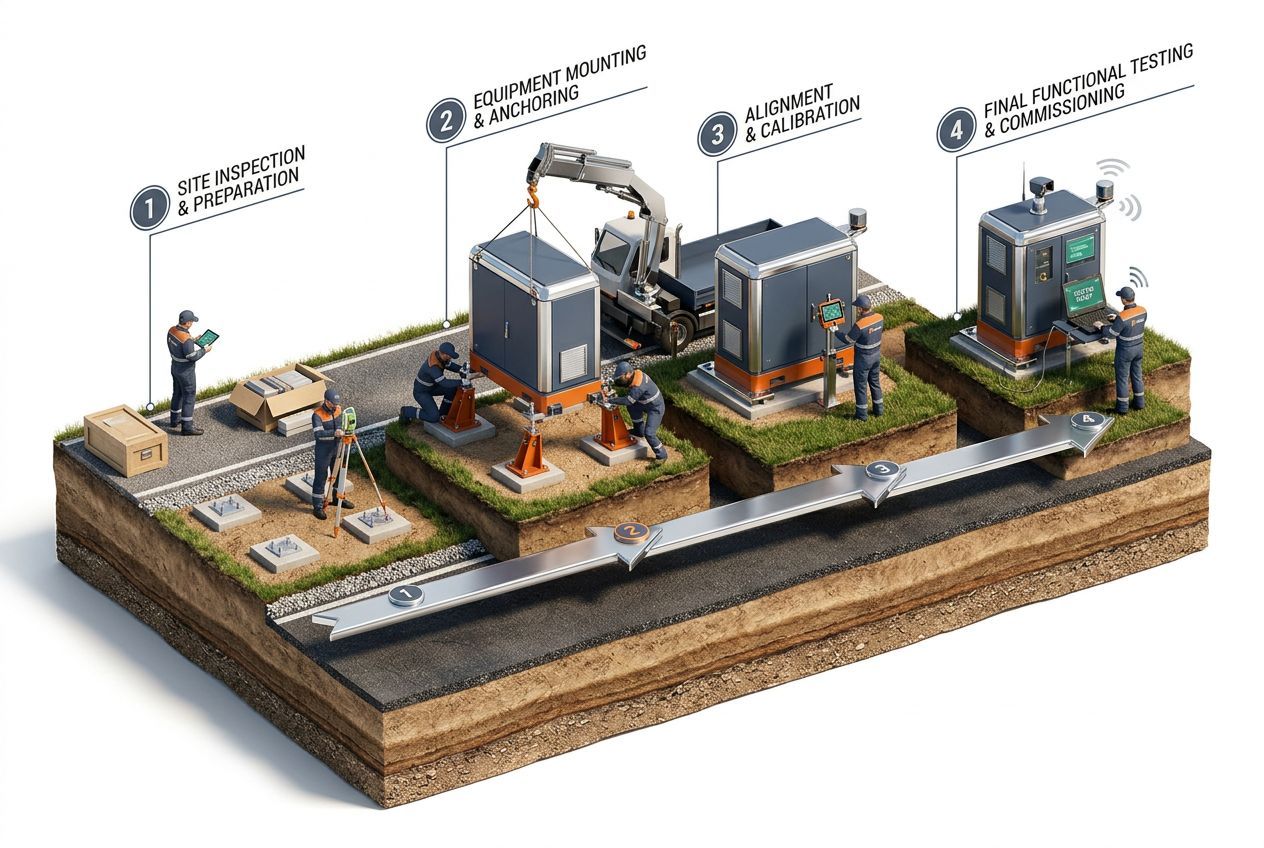

Step-by-step guide to measuring and calculating trailer weight
🛡️
TRAILER & PAYLOAD

How Much Does a Flatbed Trailer Weigh?

Empty Weight Ranges: A consumer flatbed trailer weighs between 1,000 and 5,500 lbs empty.

  • Light-duty 6×10 single-axle flatbeds start around 1,000–1,500 lbs.
  • Heavy-duty 8×20 tandem-axle flatbeds run 3,500–5,500 lbs.

📊 Quick Fact: Full-size commercial semi-flatbeds weigh approximately 8,000–12,000 lbs empty. These are outside the scope of typical pickup truck towing and require a commercial CDL and air-brake-equipped tractor.

Construction Impact: Flatbed trailers made from high-strength steel tube frames tend to be 10–15% heavier than comparable channel-frame designs. However, they are also significantly stiffer under uneven loads like skid steers or excavator attachments. If you're consistently hauling heavy equipment, the added frame weight is often worth the structural benefit and durability. Check the 5th wheel vs gooseneck guide if your flatbed uses a gooseneck coupler — those require a different hitch setup entirely.


📋
TRAILER & PAYLOAD

What Is the Difference Between Trailer Dry Weight and GVWR?

Defining the Terms: Trailer dry weight is the empty trailer with nothing added—no cargo, no added accessories, no water. GVWR (Gross Vehicle Weight Rating) is the maximum total weight the trailer structure is designed to handle, which includes the trailer frame plus everything loaded on it. Subtracting the dry weight from the GVWR gives you the trailer's actual payload capacity.

Understanding the Numbers

Practical Implications: Here's why the distinction between dry weight and GVWR matters practically. A 7×16 enclosed trailer with a 3,000-lb dry weight and 9,990-lb GVWR has a 6,990-lb payload capacity. This sounds generous—until you load two motorcycles (1,400 lbs combined), tools and gear (800 lbs), and three bikes (300 lbs). You're at 2,500 lbs of cargo, well under the payload limit. But if you swap to a loaded ATV (900 lbs), a side-by-side (1,800 lbs), and more gear, you're approaching 3,500+ lbs and need to verify that your specific trailer's GVWR—not just a brochure's class maximum—actually covers it.

⚠️ Warning: According to NHTSA, the GVWR is a federally regulated figure and must be listed on the trailer's VIN plate. That VIN plate is your legal authority, not a manufacturer's spec sheet or a sales brochure.
For a deeper look at how these numbers interact with your truck's limits, see our curb weight vs gross weight explainer.


⚙️
TRAILER & PAYLOAD

How Much Does a Travel Trailer Weigh?

Typical Dry Weights: A travel trailer weighs between 2,500 and 8,500 lbs dry, depending on its length and the number of amenities it packs.

  • Compact units (16–20 ft) average 2,500–3,800 lbs.
  • Mid-size models (20–26 ft) range from 4,000–6,000 lbs.
  • Large units (26–35 ft) hit 6,000–8,500 lbs dry—and that's before you add anything.

The Reality of Loaded Weight

Hidden Pounds: The loaded reality is almost always heavier than most buyers expect. Consider a 24-ft travel trailer with a 5,200-lb dry weight and a 100-gallon fresh water tank. This trailer gains an immediate 834 lbs from full water alone (water weighs 8.34 lbs/gallon). Add 300 lbs of food, clothes, and gear, plus two 30-lb propane tanks, and you're over 6,400 lbs loaded. This represents a 23% increase over the dry weight the dealer quoted, a difference that can easily push you past the tow limit of a half-ton truck rated at, for example, 6,400 lbs max.

⚠️ Warning: If your loaded travel trailer exceeds 9,900 lbs, a half-ton pickup—even the highest-rated Ford F-150—cannot legally or safely tow it. You need a 3/4-ton truck minimum for trailers in this weight class.

Check our full towing capacity guide to identify the right platform for your trailer's weight class.


Comparison of trailer weights across budget, mid-range, and premium trailer options
🚛
TRAILER & PAYLOAD

How Much Does a Car Hauler Trailer Weigh?

Empty Weight Breakdown: A car hauler trailer weighs differently depending on its configuration:

  • Open models typically weigh 2,000–3,200 lbs empty. An open 7×18 steel car hauler averages 2,800–3,200 lbs empty with a 7,000–9,990-lb GVWR.
  • Enclosed versions typically weigh 4,500–7,500 lbs empty. Enclosed 8.5×20 car trailers run 4,500–5,500 lbs empty and are frequently rated to 9,990–14,000 lbs GVWR to accommodate two vehicles.

The Heavy Load Calculation

Serious Math: The loaded math gets serious fast with car haulers. Transport a 3,500-lb car on an open hauler with a 3,000-lb empty weight, and you're already at 6,500 lbs total. Tongue weight at a typical 12% is 780 lbs—a significant hitch load. If you add a second car (3,200 lbs) on a tandem 8.5×20 enclosed hauler, your total weight quickly reaches 11,700 lbs before accounting for fuel or gear.

✅ Pro Tip: Hauling weights like these is firmly in 3/4-ton truck territory, and you will absolutely want a weight-distribution hitch setup dialed in correctly for stability and safety.

See our weight distribution hitch guide for the specifics on setup.


📝
TRAILER & PAYLOAD

How Much Does Each Type of Trailer Weigh? Use the Tool

The ranges above give you a solid starting point, but the only number that truly matters is whether your specific tow vehicle can handle your specific trailer at its loaded weight. Punch your details into our interactive tow-check tool below for an instant compatibility result.

Try Our Free Can I Tow This? Calculator


💰
TRAILER & PAYLOAD

How Much Tongue Weight Does a Trailer Have?

Ideal Distribution: Tongue weight should run 10–15% of the trailer's total loaded weight for conventional ball-hitch setups, and 15–25% for fifth-wheel and gooseneck rigs. On a 5,000-lb loaded trailer, that translates to 500–750 lbs sitting directly on the hitch ball.

💡 Key Takeaway: Incorrect tongue weight is dangerous. Too far below 10% and the trailer becomes unstable and prone to dangerous swaying. Too far above 15% and your tow vehicle's rear axle gets overloaded, lifting the front wheels and compromising steering response and braking effectiveness.

Payload Budget Impact: This directly affects your payload budget. Say you're towing a 6,000-lb enclosed cargo trailer. Tongue weight at 12% is 720 lbs. Add a driver and passenger (370 lbs combined), 100 lbs of tools in the cab, and a full 26-gallon tank of fuel (~156 lbs) in an F-150 with a 1,600-lb payload rating. That's a total of 1,346 lbs against a 1,600-lb limit—you have only 254 lbs to spare. That's not much room for error, highlighting the importance of precise calculations.

Our tongue weight guide walks through how to measure tongue weight accurately using a scale, not just estimates. And if sway is already a problem, the trailer sway causes and fixes article covers the specific adjustments that actually solve it.


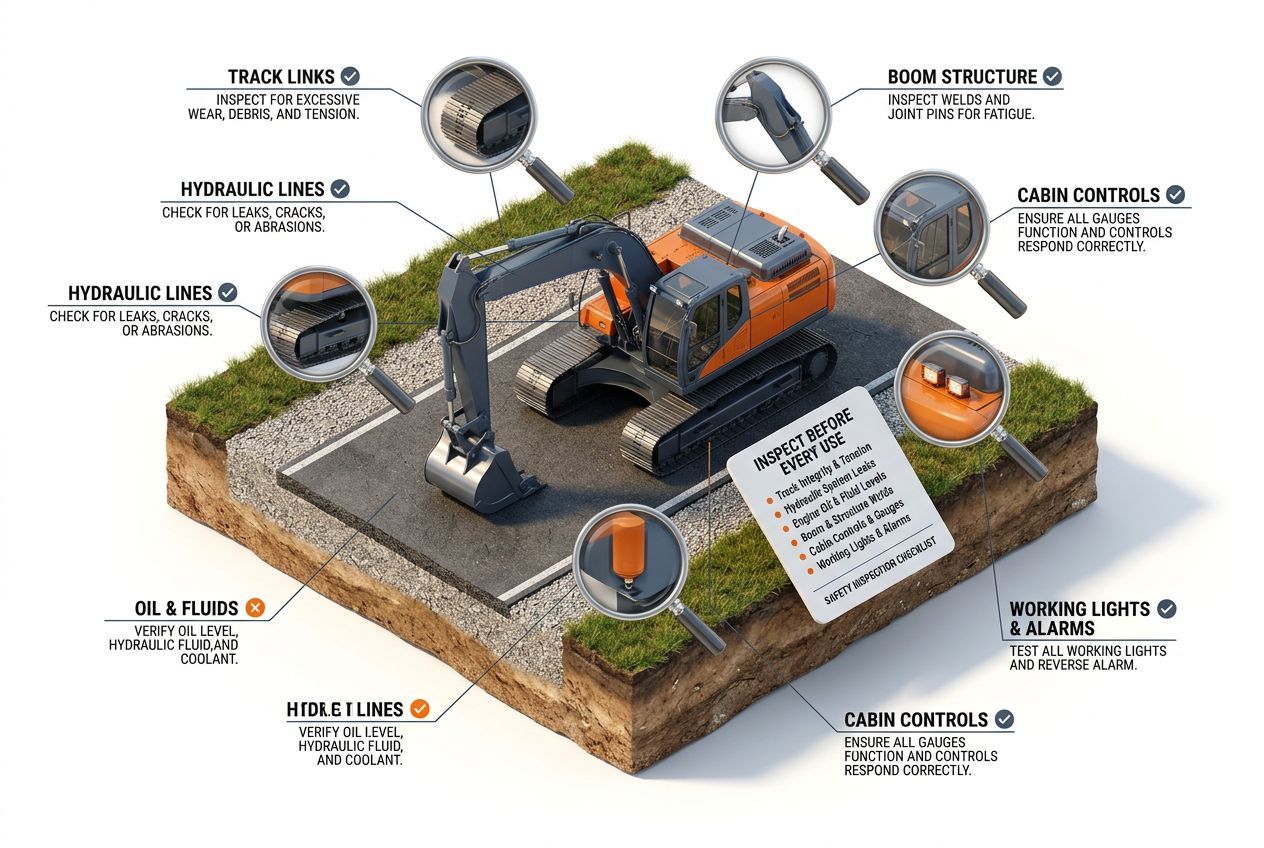
Safety inspection checklist for trailer weight distribution and loading
📊
TRAILER & PAYLOAD

What Do Other Common Trailer Types Weigh?

Diverse Weights: Other common trailer types exhibit a wide range of weights:

  • Boat Trailers: These span the widest range of any category.

    • A basic PWC (personal watercraft) trailer starts around 200–400 lbs empty.
    • A heavy tandem-axle boat trailer for a 25-ft cabin cruiser can hit 2,000 lbs empty before the boat even touches it.

    ⚠️ Warning: NHTSA notes that trailer corrosion and brake fade are leading contributors to boat trailer failures, particularly after repeated saltwater submersions. Regular maintenance is crucial.

  • Dump Trailers: Popular with landscapers and contractors, these trailers weigh 2,500–6,500 lbs empty due to their heavy hydraulic lift systems and reinforced steel beds.

    • A standard 7×14 dump trailer typically scales at 4,200–4,800 lbs empty with a 14,000-lb GVWR.
  • Horse Trailers: These run from 2,500 lbs for a basic two-horse slant-load to 8,000 lbs for a living-quarter model.

    • Living quarters add the same loaded-weight surprises as travel trailers, including water, feed, tack, and personal belongings.

⚠️ Warning: If you're hauling recreational gear on any of these trailers, don't forget to account for the weight of the load when checking the overloaded truck risks before your trip. Always prioritize safety over convenience.


🔧
TRAILER & PAYLOAD

How Do You Check If Your Vehicle Can Tow a Specific Trailer?

Decoding Your Vehicle's Ratings

Finding Your Limits: To accurately determine if your vehicle can tow a specific trailer, follow these steps:

  1. Check the Door-Jamb Sticker: Start with the sticker on the driver's side B-pillar. It displays your vehicle's GVWR (Gross Vehicle Weight Rating) and GAWR (Gross Axle Weight Rating).
  2. Consult the Trailer Towing Supplement: Cross-reference those numbers with the Trailer Towing Supplement your manufacturer publishes separately (e.g., Ford and Ram publish these as standalone PDFs).
  3. Beyond the Window Sticker: Never rely solely on the window sticker. It typically shows the maximum tow rating under ideal configuration, which may require a factory tow package (for example, Ford F-150 option code 53A or 53C, or GM's Z82 trailer package).

⚠️ Warning: The tow rating advertised on a window sticker often represents an ideal scenario and may not reflect your vehicle's actual capabilities without specific factory tow packages. Always verify with manufacturer documentation and your vehicle's specific options.

Running the Payload Math

The Critical Calculation: Then, run the essential payload math:

  1. Calculate Base Payload: Take your truck's GVWR and subtract its curb weight to determine its base payload capacity.
  2. Subtract Tongue Weight: Subtract the trailer's tongue weight from that payload number.
  3. Remaining Capacity: What's left is the remaining capacity for passengers, fuel, and gear within the truck's cab and bed.

💡 Key Takeaway: If that remaining capacity number goes negative, you are overloaded at the rear axle—regardless of what the tow rating says. This indicates an unsafe condition that must be corrected.

Use the payload calculator to run this in under 60 seconds, or the tow vehicle matchmaker if you're still shopping for a truck to match your trailer.

Sources & Methodology

  1. 1.
    NHTSA — National Highway Traffic Safety Administration ([nht

TowingServiceHub is reader-supported: we may earn money from ads and from some links on this page. See our editorial policy.

Mark — Founder & Editor

Mark

Founder & Editor

Mark is the founder and editor of TowingServiceHub, which he launched in 2026 after struggling to find clearly sourced towing costs and truck specs. He works in enterprise technology and tows his own boats, trailers, and equipment, so he knows the questions drivers actually ask.

Read full bio →

Need a tow truck right now?

Browse vetted local providers in your area. Real Google ratings, verified business info, free to use.

Or browse all 50 states from our directory

Frequently Asked Questions

A 20–25 ft travel trailer typically weighs 3,500–6,500 lbs dry and 4,500–8,000 lbs loaded with water, propane, and gear. Always use loaded weight (not dry) for towing calculations.

Dry weight is the trailer's weight from the factory — no water, propane, cargo, or batteries. GVWR is the maximum allowable loaded weight. Always tow based on actual loaded weight, not dry weight.

A single-axle boat trailer typically weighs 400–650 lbs empty. Tandem-axle trailers weigh 650–1,100 lbs. Add boat weight, engine, fuel, and gear for the true towing weight.

Yes. Tongue weight (10–15% of trailer weight) counts against your tow vehicle's payload capacity — not its tow rating. This is one of the most commonly missed numbers in towing math.

Check the VIN sticker on the trailer frame (usually near the tongue or A-frame). It lists GVWR and dry weight. For an accurate loaded weight, visit a CAT scale — cost is $12–$15.

Related Articles

Explore More Towing Guides

Browse all 157 expert guides and 10 free tools.